
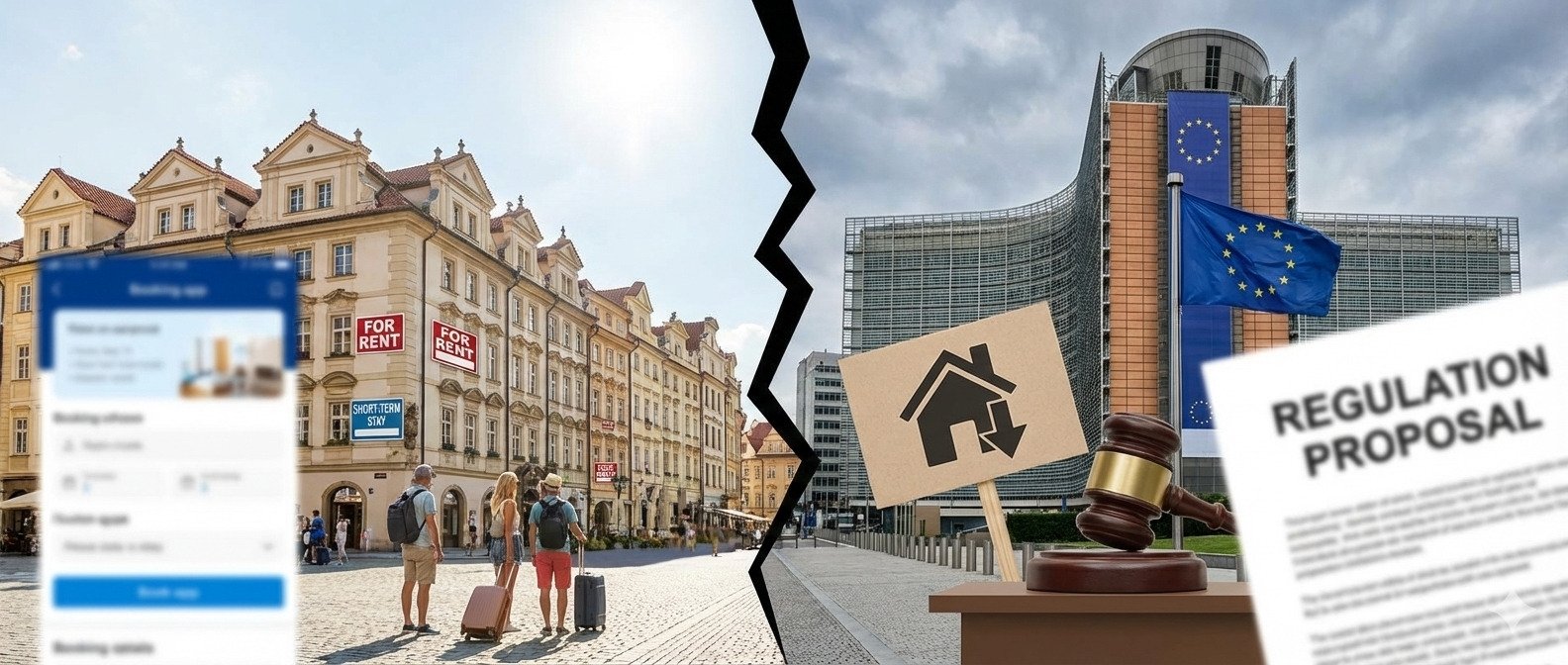
Across Europe, short-term rentals are once again under the spotlight. As housing shortages intensify in major cities and tourist hotspots, the European Commission has announced plans to introduce stricter regulation of short-term rental platforms, including Airbnb. The aim is to give local authorities more power to control rental activity, protect long-term housing supply, and improve enforcement.
While these proposals focus on EU member states, the implications extend beyond Europe’s borders — including for UK Airbnb hosts, especially those operating in high-demand markets or catering to international travellers.
What’s Changing in the EU?
Under the proposed framework, local governments across the EU would gain greater authority to:
-
Introduce or tighten caps on short-term rental nights
-
Require mandatory registration or licensing
-
Enforce stricter data-sharing rules with platforms
-
Increase penalties for unlicensed or non-compliant listings
The European Commission’s position is that unchecked short-term rentals are reducing housing availability for residents, driving up rents, and reshaping city centres in ways that hurt local communities.
Cities like Barcelona, Amsterdam, Paris, and Lisbon — already known for tough Airbnb rules — are expected to push even harder under this new regulatory backing.
Could EU Regulations Influence UK Policy?
Although the UK is no longer part of the EU, housing pressure and short-term rental debates look very similar on both sides of the Channel.
In the UK, cities such as London, Edinburgh, Brighton, Manchester, and Bristol are already grappling with:
-
Rising rents
-
Reduced long-term housing supply
-
Increased complaints about short-term lets
As EU countries roll out stricter frameworks, UK policymakers may look to these models when shaping future domestic regulations. This could accelerate conversations around national licensing schemes, tighter local council controls, or clearer enforcement powers.
For UK hosts, this means regulatory pressure is unlikely to ease — and may increase over the next few years.
What UK Hosts Should Prepare for Ahead of Cross-Border Travel Seasons
EU regulation won’t stop tourists from visiting the UK, but it could change travel patterns.
If short-term rentals become harder to operate in popular European destinations, the UK may see:
-
Increased demand from travellers redirecting trips
-
Higher competition among UK hosts
-
More scrutiny from local councils anticipating growth
UK hosts should ensure their listings are fully compliant with current rules, clearly documented, and professionally managed — especially during peak travel seasons when enforcement activity often rises.
EU vs UK: How Short-Term Rental Laws Compare
While the EU is moving toward tighter, unified oversight, the UK currently operates a more fragmented system:
-
England uses planning rules and local council enforcement
-
London enforces a 90-night annual cap
-
Scotland has introduced a national licensing scheme
-
Wales is moving toward registration and planning controls
The EU’s direction suggests greater consistency and stronger enforcement, which may influence how UK laws evolve — particularly if housing pressure continues to grow.
What This Means for Airbnb Hosts
For UK hosts, the message is clear: regulation is becoming the norm, not the exception.
Successful hosts going forward will be those who:
-
Stay informed on policy changes
-
Maintain transparent, compliant listings
-
Treat Airbnb as a professional business, not a side hustle
-
Prepare for tighter oversight rather than resisting it
As governments across Europe act to protect housing supply, the short-term rental industry is entering a more regulated, mature phase.
Final Thoughts
The EU’s move to regulate short-term rentals highlights a wider shift happening across global travel markets. Housing shortages, community pressure, and political scrutiny are shaping the future of Airbnb hosting.
While the UK isn’t directly bound by EU rules, the direction of travel is clear. UK hosts who adapt early, stay compliant, and operate professionally will be best positioned to thrive — even as regulations tighten.