
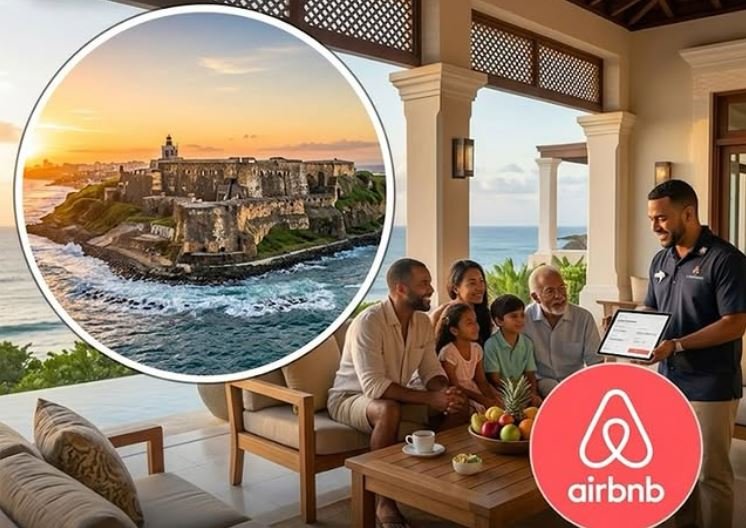
Travelers booking their next island getaway to Puerto Rico just got a major boost in flexibility. Airbnb has officially introduced the "Reserve Now, Pay Later" option for listings across the archipelago, allowing guests to secure their stays without the immediate burden of an upfront payment.
While this is a win for traveler budgets, it’s also a strategic move for hosts looking to capture early bookings in a competitive market. Here is the breakdown of how this feature works and what it means for your hosting strategy in 2026.
💳 How "Reserve Now, Pay Later" Works
Unlike traditional "Pay Part Now, Part Later" schemes, this feature allows eligible travelers to lock in a reservation with little to no money due at the time of booking. * The Payment Timeline: The full payment is typically charged automatically closer to the check-in date or just before the free-cancellation window expires.
-
Eligibility: This option is only available for listings that utilize Flexible or Moderate cancellation policies.
-
Automation: Airbnb handles the payment collection entirely. If the payment fails when the deadline hits, the reservation is typically canceled, giving you the chance to re-open your calendar.
📈 Why This is a Game-Changer for Puerto Rico Hosts
Puerto Rico is a top-tier destination for group travel and family reunions—trips that often require months of planning.
-
Earlier Booking Lead Times: Travelers are more likely to commit to a high-priced stay months in advance if they don't have to shell out thousands of dollars immediately. This helps you fill your high-season calendar (December–April) much earlier.
-
Reduced "Coordination Friction": We’ve all had guests message saying, "I'm waiting for my friends to Venmo me before I book." This feature removes that barrier, letting the organizer secure the home before someone else grabs it.
-
Increased Search Visibility: Airbnb’s algorithm often prioritizes listings with flexible payment and cancellation terms. By opting into the policies that trigger "Pay Later," you’re essentially giving your SEO a free boost.
🛡️ Is There a Risk for Hosts?
The most common concern for hosts is a potential increase in "flaky" bookings or last-minute cancellations. However, the system is designed with safeguards:
-
Policy Protection: Because this only applies to Flexible and Moderate policies, you are still protected by your chosen cutoff. For a Moderate policy, the guest must pay before the 5-day free-cancellation window closes. If they cancel after that, your standard payout rules still apply.
-
Host Payouts: Your payout timing remains the same. Airbnb releases the funds to you approximately 24 hours after the guest checks in, regardless of when the guest actually paid the platform.
💡 Pro-Host Strategy: How to Adapt
If you want to take advantage of this new Puerto Rico rollout, consider these three steps:
-
Review Your Cancellation Policy: If you are currently on a "Firm" or "Strict" policy, you won't be eligible for this feature. Consider testing a "Moderate" policy during the shoulder season to see if the "Pay Later" incentive drives more volume.
-
Update Your House Manual: Since guests might book further in advance, ensure your automated messaging keeps them engaged. Send a "Thank you for booking" note immediately, and a "Getting excited for your trip?" note 30 days out.
-
Monitor Your 'Pending' Bookings: Keep an eye on your calendar for any bookings that might have failed payments near the cutoff date so you can prepare for a potential re-opening of those dates.
The Bottom Line
The introduction of "Reserve Now, Pay Later" in Puerto Rico is a clear signal that Airbnb is doubling down on financial flexibility. As travelers in 2026 become more budget-conscious, providing a "low-friction" way to book your home is no longer just a perk—it’s a competitive necessity.
Are you ready to open your calendar to the "Pay Later" crowd, or do you prefer the security of upfront payments? Let us know your thoughts in the comments!