
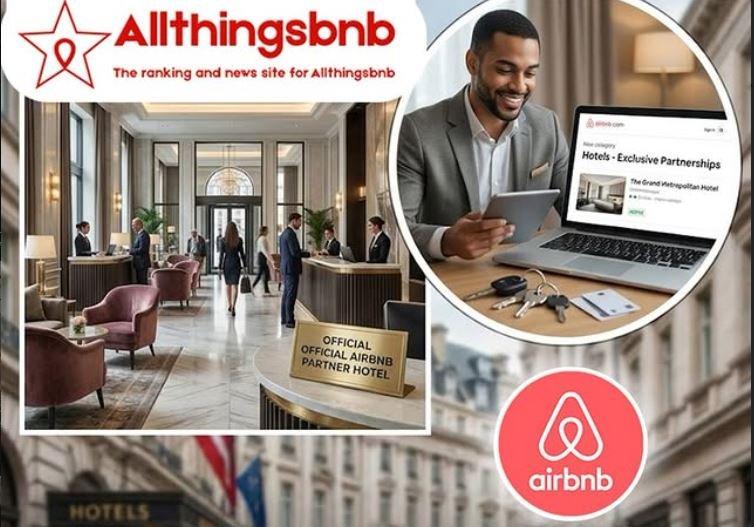
For over a decade, Airbnb defined itself as the anti-hotel. It was the platform for the "local" experience, the unique stay, and the personal touch of a host. However, a major strategic pivot is currently unfolding. By the end of 2026, the line between a traditional booking site and Airbnb will be thinner than ever.
At All Things BNB, we believe it is vital for hosts to understand this shift. Airbnb isn’t just competing with hotels anymore—it is actively inviting them onto the platform.
What Is Happening?
Airbnb has officially launched pilot programs in major global hubs including New York, Los Angeles, Paris, Madrid, and San Francisco. These pilots allow boutique and independent hotels to list their rooms directly alongside traditional apartments and houses.
Following promising early results from late 2025, the company is now expanding this strategy globally throughout 2026. The goal is clear: capture the travelers who want the convenience of a hotel but the interface of Airbnb.
The Strategy: Why the Shift?
This move isn't a coincidence; it is a calculated response to several market pressures:
-
Regulatory Hedge: In cities like New York and London, strict short-term rental laws have limited the number of available private homes. Adding hotels allows Airbnb to maintain inventory in these high-demand markets.
-
The Consistency Factor: Business travelers and families often prioritize "standardized" quality. Hotels offer 24/7 check-in, professional cleaning, and predictable amenities that some private hosts struggle to match.
-
Growth Expansion: With revenue growth hitting a more mature pace in 2025, entering the hotel distribution market allows Airbnb to challenge giants like Booking.com and Expedia directly.
Is Airbnb Diluting Its Brand?
This expansion has raised eyebrows throughout the hospitality industry. For years, the brand was built on "belonging anywhere."
The Pros for Users:
-
More Choice: Travelers can compare a local flat and a boutique hotel room in a single search.
-
Lower Fees: Airbnb is often luring hotel partners with lower commission fees compared to traditional hotel booking platforms, which could lead to better pricing for guests.
The Risks:
-
The "Local" Identity: If the search results are flooded with hotel rooms, the "live like a local" charm may take a back seat.
-
Trust and Expectations: Managing guest expectations when home rentals and hotel rooms are side-by-side requires impeccable quality control to ensure guests know exactly what kind of stay they are booking.
The Bigger Picture: A Converged Ecosystem
We are witnessing a convergence in the travel industry. Home rentals, boutique hotels, and curated experiences are merging into one giant ecosystem. For the guest, this means ultimate convenience. For the host, it means the competition just got a lot more professional.
What This Means for You
As a host, your "differentiation" is now your greatest asset. While hotels offer consistency, they often lack the personality, the kitchen facilities, and the unique neighborhood feel of a private Airbnb.
To stay ahead in 2026, lean into what a hotel can't provide: a personalized guide to the neighborhood, a unique interior design, and that feeling of a "home away from home."
Final Thoughts
Airbnb is evolving. It is becoming a comprehensive travel platform that prioritizes inventory and choice. While this strengthens the company’s market position, it shifts the responsibility onto hosts to prove why their space is more desirable than a boutique hotel room.
Your Take: In a world where Airbnb looks more like a traditional booking app, would you still choose a private host over a boutique hotel?
Stay updated on the latest shifts in the rental market at allthingsbnb.com.