
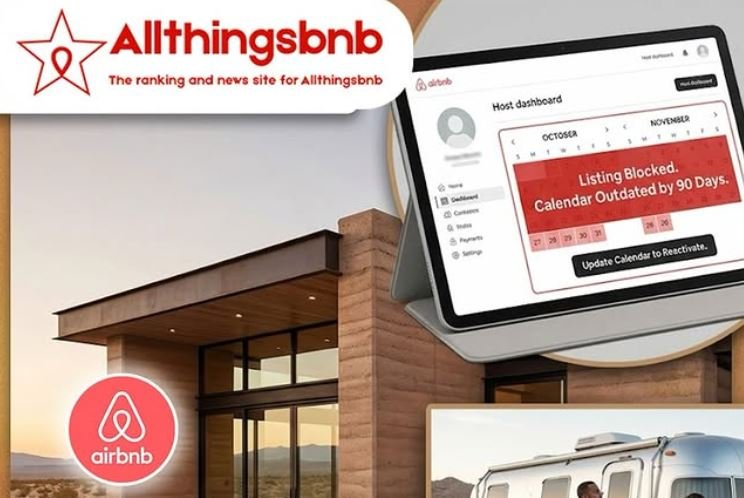
In the early days of short-term rentals, many hosts treated their listings with a "set it and forget it" mentality. However, as we move through 2026, Airbnb is making it clear that passive hosting is no longer an option. The platform is now prioritizing reliability above all else, and your calendar is at the center of this shift.
At All Things BNB, we want to ensure your listing stays active and visible. Here is what you need to know about Airbnb’s stricter enforcement of calendar accuracy.
What Is Happening?
Airbnb has begun tightening its enforcement around listing availability. To improve guest trust and reduce the friction of canceled bookings, the platform is now tracking how often hosts interact with their calendars.
-
Automatic Blocks: Listings with calendars that haven't been updated or "confirmed" as accurate for an extended period may trigger automatic blocks.
-
Search De-ranking: Even if you aren't fully blocked, a "stale" calendar can lead to your listing being hidden or pushed to the bottom of search results.
-
Reliability Metrics: Airbnb's algorithm now treats calendar activity as a key signal of host engagement.
Why Reliability Is the New Priority
The strategy behind this is simple: cancellation prevention. Nothing hurts the Airbnb brand more than a guest booking a stay only to have the host cancel because the property was actually unavailable.
By forcing hosts to actively manage their calendars, Airbnb aims to:
-
Improve Booking Accuracy: Ensuring that what a guest sees is exactly what they get.
-
Boost Guest Confidence: Guests are more likely to book "Instant Book" properties when they know the calendar is current.
-
Modernize the Marketplace: Moving away from casual home-sharing and toward a structured, professional hospitality model.
What Is Raising Eyebrows
While the move makes sense for guests, it places significant operational pressure on hosts, particularly those who host part-time or manage properties across multiple platforms.
-
Lack of Warning: Some hosts have reported their listings being temporarily paused without prior notification.
-
Income Volatility: A sudden drop in visibility can lead to a significant gap in your booking schedule.
-
The "Passive" Penalty: For hosts who only rent their homes occasionally, the requirement for constant digital "check-ins" can feel like a burden.
How to Protect Your Listing
At All Things BNB, we recommend making calendar management a daily or weekly habit. Here is how to stay in Airbnb's good graces:
1. The Daily Check-In
Even if you don't have new bookings, log into the Airbnb app and click on your calendar. Making a small adjustment or simply confirming the dates as "blocked" or "available" sends a signal to the algorithm that you are active.
2. Use Channel Managers
If you list on Airbnb, Vrbo, and your own website, use a channel manager (like Hospitable or Guesty) to sync your calendars instantly. This prevents double-bookings and keeps your availability updated across all platforms.
3. Review Your Booking Window
Check your "Availability Window" settings. If you only want to book six months in advance, ensure your calendar is blocked beyond that point so you don't receive unexpected requests you cannot fulfill.
The Bottom Line
The "set it and forget it" model of hosting is fading fast. On Airbnb today, an outdated calendar isn't just a small oversight—it is a risk to your business. Flexibility is shrinking, and reliability has become the top priority for the platform.
Your Take: Should Airbnb be stricter with hosts to protect the guest experience, or should the platform remain more flexible for casual hosts?
Stay Ahead of the Algorithm
From technical tips to regulatory updates, All Things BNB is here to help you navigate the changing world of short-term rentals. Visit us at allthingsbnb.com for more insights.