
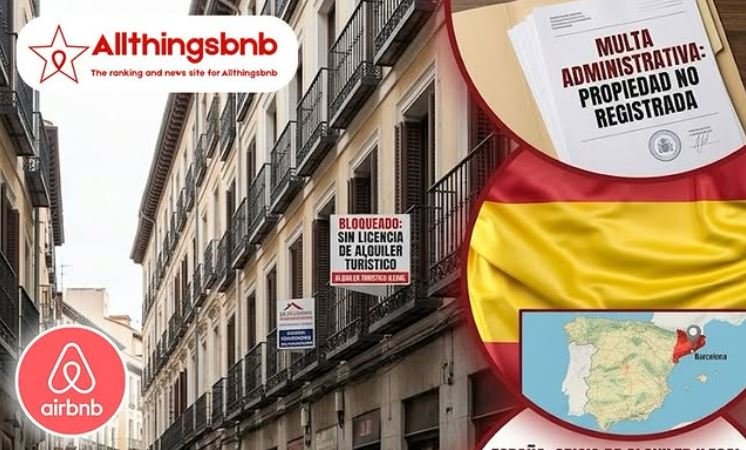
Spain has intensified its massive crackdown on illegal short-term rentals, ordering tens of thousands of tourist accommodation listings to be removed while issuing multi-million-euro fines against platforms and operators over unlicensed properties.
As governments across Europe scramble to protect housing affordability, Spain’s recent enforcement sweep marks one of the most aggressive regulatory shifts the short-term rental market has ever seen.
According to reports:
-
Massive Listing Removals: Spanish consumer rights authorities ordered platforms like Airbnb to block and remove tens of thousands of holiday rental listings—with over 65,000 flagged for failing to meet basic licensing and registration standards. 🚫
-
Targeting Unlicensed Operators: The crackdown specifically targets properties operating without valid registration numbers, using fake permit details, or violating regional laws designed to safeguard housing stock. 🏠
-
Multi-Million Euro Penalties: Regulators handed down historic financial penalties against platforms—including a record multi-million-euro fine—for continuing to advertise non-compliant properties. 💶
-
Push for Long-Term Housing: Officials say the aggressive enforcement measures are intended to restore transparency, hold tech platforms accountable, and redirect homes back into the long-term rental market for local residents facing rising housing costs. 📋
-
A European Precedent: Spain is leading a broader European trend of tightening short-term rental laws, with major tourist hubs like Barcelona aiming to phase out tourist apartment licenses entirely in coming years. 🌍
What the Crackdown Means for Hosts and Travelers
Spain’s enforcement action signals an end to the "wild west" era of vacation rentals. For property managers, hosts, and travelers, the landscape is shifting fast:
-
🏡 Stricter Enforcement of Licensing: Operating an unregistered property is no longer a low-risk gamble; digital verification systems mean unlicensed listings face rapid removal.
-
📋 Greater Accountability for Platforms: Booking platforms are now legally required to verify property registration details directly with government databases.
-
⚖️ Focus on Local Housing Supply: Communities are prioritizing long-term rental availability over unrestrained tourism growth.
-
🌍 A New Standard Across Europe: With pan-European regulations and centralized rental registries rolling out, compliant hosts will stand out while illegal operations are systematically phased out.
The Takeaway
Spain’s latest enforcement action leaves no room for ambiguity: governments are taking a firm stance on unlicensed vacation rentals. For hosts, maintaining full compliance with local registration and licensing rules is no longer optional—it is the single most critical requirement for running a sustainable hosting business.
Join the Discussion
The big question: Should governments require every short-term rental property to have a verified, government-issued license before it can be listed online, or does that place too much bureaucratic burden on everyday hosts? 🤔 Let us know your thoughts in the comments below!