
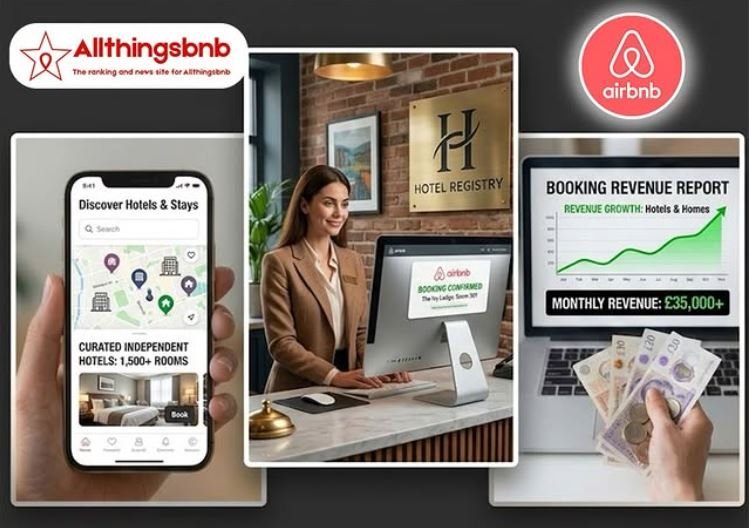
The platform that disrupted the hotel industry is now inviting its former rivals onto the guest list. As of 2026, Airbnb is significantly widening its reach by incorporating boutique and independent hotels into its global inventory.
At All Things BNB, we believe this is one of the most important strategic pivots in the company's history. Airbnb is no longer just a "home-sharing" app; it is evolving into a comprehensive hybrid travel marketplace.
What Is Changing in 2026?
Following successful pilot programs in cities like New York, Los Angeles, and Paris, Airbnb has confirmed that hotel expansion is now a core part of its global strategy.
-
The Hybrid Marketplace: Search results now seamlessly blend private apartments and villas with boutique hotel rooms. This "one-stop-shop" approach aims to capture travelers who might otherwise jump to traditional booking sites.
-
Rapid Growth: Hotel nights on the platform are currently growing at nearly double the rate of standard home rentals. While they still represent a single-digit percentage of total bookings, the momentum is undeniable.
-
Direct Partnerships: Airbnb is working directly with independent hotel owners, offering them a professional distribution channel that competes with established giants like Booking.com and Expedia.
🏨 Why This Matters for the Industry
This shift is more than just a business update—it changes the fundamental psychology of the app.
-
A Hedge Against Regulation: In cities where short-term rental laws have become extremely strict (such as New York’s Local Law 18 or Barcelona’s upcoming license phase-outs), hotels offer Airbnb a stable, legal way to keep urban inventory available.
-
Attracting the "Consistency" Traveler: Many guests—particularly business travelers or those on short city breaks—prefer the predictable services of a hotel, such as 24/7 check-in and professional staff. By adding hotels, Airbnb keeps these users on the platform.
-
New Competition for Distribution: Boutique hotels often look for alternatives to traditional Online Travel Agencies (OTAs) that charge high commissions. Airbnb’s typically lower fee structure makes it an attractive partner for independent hoteliers.
What This Means for Private Hosts
As the platform becomes a "full travel hub," private hosts are now competing directly with professional hotel services. To stay ahead at All Things BNB, we recommend leaning into the "Host Advantage":
-
The Personal Touch: A hotel cannot offer a personalized neighborhood guide or a "home-away-from-home" kitchen.
-
Unique Spaces: While hotels offer consistency, private rentals offer character. Make sure your listing highlights what makes your space different from a standardized hotel room.
-
Professional Standards: With hotels on the app, guest expectations for cleanliness and communication are higher than ever. Ensure your operations match a professional hospitality standard.
📌 Bottom Line
Airbnb is evolving into a comprehensive travel hub. Whether you are looking for a quirky treehouse, a central city flat, or a stylish boutique hotel, the platform wants to be the only app you open.
The line between "staying in a home" and "booking a hotel" is fading fast. For the professional host, this is an invitation to elevate your service and prove that the heart of Airbnb still lies in the unique, local experience.
Stay Ahead of the Marketplace
The short-term rental world moves fast. For more deep dives into Airbnb’s 2026 strategy and how to keep your property competitive, visit allthingsbnb.com.