
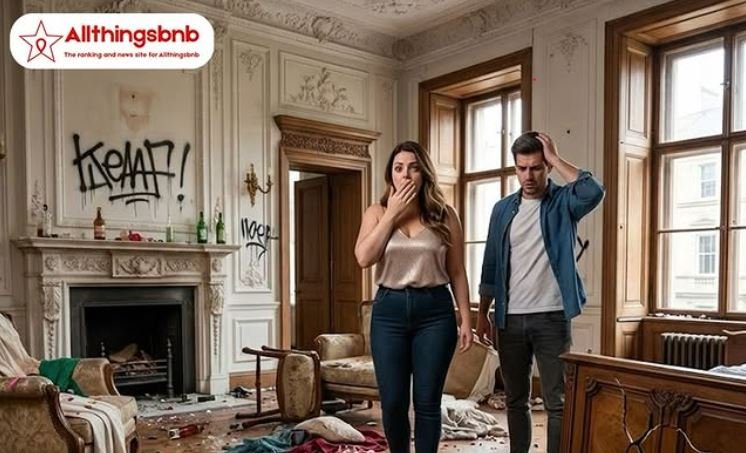
A luxury short-term rental stay in Edinburgh turned into a nightmare for a property owner after a bachelor party allegedly left a historic mansion with an astonishing £180,000 in structural and cosmetic damage.
The shocking incident has re-ignited intense debate across the hospitality industry regarding the severe financial risks high-end properties face when unauthorized or large-scale celebrations slip through booking filters.
According to reports:
-
The Booking: A group had rented a magnificent historic mansion in Edinburgh via Airbnb under the pretense of a standard getaway, which later manifested into a large bachelor party celebration. 🏰
-
The Scale of Destruction: After the guests checked out, the host discovered widespread chaos throughout the heritage building, including broken antique furniture, smashed architectural fixtures, ruined interior décor, and heavy structural damage. 💥
-
The Cost: Professional restoration and structural repairs required to return the historic property to its original condition were estimated at a staggering £180,000. 💷
-
Community and Legal Fallout: The severe vandalism has triggered renewed backlash from local residents and preservationists regarding the oversight of large celebrations in residential or historic short-term rentals. 🚔
-
Platform Protection: While Airbnb provides AirCover for Hosts to cover eligible property damage, high-value heritage assets often present complex appraisal hurdles under standard platform terms and conditions. 🛡️
Key Lessons for Short-Term Rental Hosts
Protecting high-end, luxury, or historic real estate requires far more than basic platform settings. To insulate your portfolio from catastrophic party damage, hosts should implement strict operational barriers:
-
🎉 Zero-Tolerance Anti-Party Policies: Explicitly outline strict maximum occupancy limits and state clearly that parties or events will result in immediate lease termination without a refund.
-
🏡 Specialized Asset Protection: For luxury or historic properties, ensure your private insurance policy covers short-term commercial use, as standard platform guarantees may face caps or complex assessment delays on custom architecture.
-
📋 Rigorous Guest Vetting: Screen reservation requests carefully—look out for local same-day bookings, missing profile reviews, or large groups booking single-night weekend stays.
-
🛡️ Proactive Monitoring Technology: Utilize privacy-compliant interior noise sensors (like Minut) that track decibel levels without recording conversations, alerting you instantly if a gathering begins to escalate.
The Takeaway
While the vast majority of short-term rental guests treat properties with absolute respect, incidents involving extreme property damage can threaten a host’s livelihood overnight. Thorough guest screening, strict house rules, and robust, multi-layered insurance protection remain the ultimate line of defense for luxury asset owners.
Join the Discussion
The big question: Should short-term rental platforms place mandatory, automated restrictions—such as permanent holiday weekend bans or higher security deposits—on bookings for large celebrations at luxury and historic properties? 🤔 Let us know your thoughts in the comments below!