
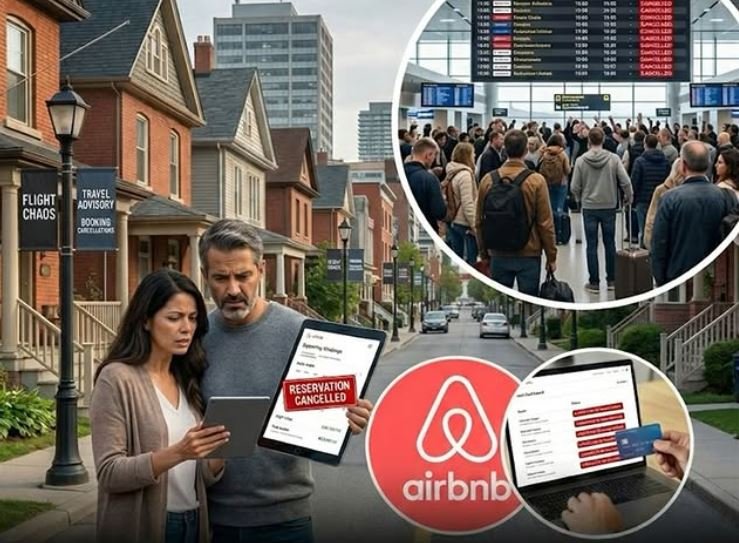
Global uncertainty is once again reshaping travel patterns — and short-term rentals are feeling the shockwaves.
As escalating geopolitical conflicts and widespread flight disruptions affect international routes, Airbnb hosts across multiple regions are reporting a sharp rise in cancellations. What was forecast to be a strong booking season has shifted into unexpected volatility, leaving many operators scrambling to adjust.
For professional hosts and serviced accommodation providers, this is more than a temporary dip — it’s a structural reminder of how fragile global travel demand can be.
🚨 Why This Matters
Geopolitical tensions and aviation instability are creating ripple effects across the entire travel ecosystem:
• Flight cancellations and sudden airspace restrictions disrupting itineraries
• Travellers postponing or cancelling international trips
• Cross-border tourism demand softening in key European and UK markets
• A spike in last-minute booking withdrawals
Cities heavily reliant on international tourism are particularly exposed. When travellers lose confidence in flight stability or regional safety, discretionary travel is often the first expense they cut.
📉 Record Cancellation Trends Emerging
Hosts in several major tourist cities report:
-
Higher cancellation rates within 7–14 days of check-in
-
Increased refund requests citing airline disruption
-
Slower re-booking of cancelled dates
-
Greater dependency on domestic rather than international guests
On platforms like Airbnb, flexible cancellation policies are amplifying the impact. While flexibility supports guest trust, it also increases revenue unpredictability during global crises.
🌍 Markets Most Affected
Although impacts vary, the most exposed destinations share similar characteristics:
International Gateway Cities
Locations dependent on long-haul travellers are seeing sharper booking slowdowns.
Event-Driven Tourism Hubs
Cities hosting festivals, sports events, or conferences face uncertainty when travel logistics collapse.
Regions Near Conflict Zones
Even geographically distant markets can feel the ripple effect when airline routes shift or airspace closures affect broader European travel networks.
💼 How Hosts Are Responding
Professional operators are shifting from reactive hosting to strategic risk management.
1. Pivoting Toward Domestic Demand
Marketing listings to local travellers and staycation audiences helps reduce reliance on international arrivals.
2. Shortening Booking Windows
Adjusting pricing to attract last-minute domestic travellers can help refill cancelled dates.
3. Strengthening Cancellation Policies
Some hosts are reviewing policy structures to balance competitiveness with revenue protection.
4. Leveraging Dynamic Pricing
Automated pricing tools are lowering rates strategically when demand weakens, improving re-booking chances.
🧠 The Bigger Industry Pattern
Travel has always been sensitive to global events — but in 2026, the speed of disruption is faster than ever.
Social media coverage, real-time aviation alerts, and 24-hour news cycles amplify uncertainty. Travellers react quickly, often cancelling pre-emptively even when their destination remains operational.
This creates short-term revenue shocks, particularly for:
-
Urban short-stay apartments
-
Listings heavily dependent on international tourism
-
Hosts without diversified demand channels
📊 Long-Term Outlook
While short-term cancellations may rise during conflict or aviation crises, historical patterns suggest demand typically rebounds once travel confidence stabilises.
The key difference now is volatility:
Booking cycles are shorter, and demand swings are sharper.
For hosts building long-term portfolios, resilience strategies are becoming as important as occupancy strategy.
🛡️ Risk Management Lessons for Hosts
This period highlights several essential practices:
-
Maintain emergency cash flow reserves
-
Diversify guest demographics (corporate, mid-term, domestic)
-
Avoid over-leveraging peak season projections
-
Use data tools to monitor demand shifts weekly
-
Communicate proactively with booked guests during global events
Professional hosting in 2026 is no longer just about optimisation — it’s about adaptability.
🔎 What This Means for UK Hosts
For UK operators, especially in London and other globally connected cities, international travel instability can quickly affect summer and event-based occupancy.
However, domestic tourism often strengthens during global uncertainty. Many travellers choose closer, perceived-safer destinations rather than cancelling holidays entirely.
Hosts who pivot messaging toward:
-
Flexible stays
-
Remote work options
-
Family-friendly domestic breaks
-
Value-driven short stays
may offset part of the international demand dip.
✨ Final Thoughts
The current surge in Airbnb cancellations amid war tensions and flight crises is a reminder that short-term rentals operate within a global ecosystem.
When flights stop, bookings stop.
But resilient hosts adapt — adjusting pricing, diversifying demand, and maintaining operational flexibility.
Travel volatility may rise, but so does opportunity for hosts who prepare strategically rather than react emotionally.
At AllthingsBNB, we’ll continue monitoring travel disruptions and industry shifts so hosts can respond with data, not panic.