
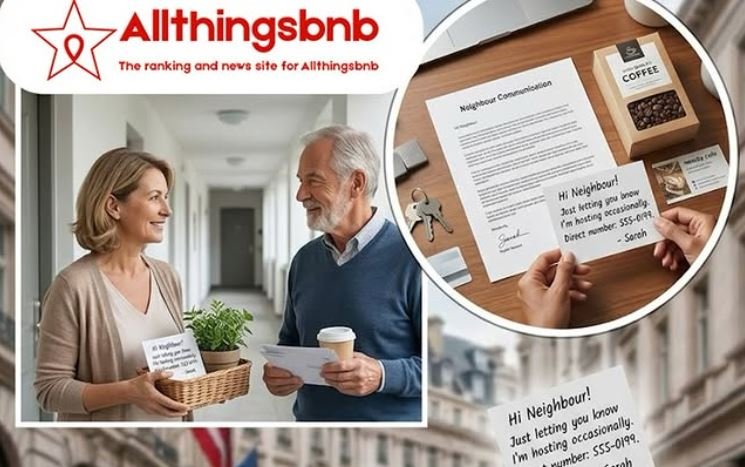
One of the simplest ways to avoid issues as a host? Keep your neighbours informed from the start.
At All Things BNB, we have seen that the most successful listings aren't just the ones with the best decor—they are the ones with the best community relationships. In 2026, as local councils tighten regulations on short-term rentals, your neighbours are essentially your "silent business partners." Keeping them happy isn't just polite; it's a vital part of protecting your investment.
What’s Happening: The Proactive Host Movement
More hosts are moving away from "stealth hosting" and toward radical transparency. By proactively telling neighbours about your short-term guests, you take control of the narrative before a single guest ever arrives.
-
Setting Expectations: Clear communication helps set the ground rules for noise, parking, and common area usage.
-
Building a Human Connection: When neighbours know you personally and have your contact details, they are far more likely to call you if there is a problem, rather than calling the council or the Airbnb "Neighbourhood Support Line."
-
Reducing Anxiety: Most neighbour complaints stem from the "unknown." Knowing who is coming and going—and knowing there is a responsible person in charge—reduces community friction.
Why It Matters: Protecting Your Listing Long-Term
Neighbour complaints are one of the top reasons listings get restricted, fined, or permanently removed from platforms.
-
Platform Pressure: In 2026, Airbnb’s focus on "Responsible Hosting" is at an all-time high. The platform actively monitors local sentiment and provides dedicated lines for residents to report disruptive listings.
-
Regulatory Compliance: As the UK government rolls out mandatory registration schemes, maintaining a "good neighbour" status can be a deciding factor in whether local councils grant or renew your ability to host.
-
Security: Your neighbours are extra sets of eyes. If they know your property is a rental, they can help you spot "pop-up" parties or unauthorized guests before they cause damage.
How to Approach Your Neighbours
You don't need to hold a formal meeting. A simple, professional approach is all it takes to build a bridge.
The "Introduction" Strategy:
-
Share Your Contact Info: Provide a dedicated phone number or email address. Tell them: "If there is ever a noise issue or a parking problem, please call me first so I can fix it immediately."
-
Outline the Rules: Let them know you have a strict "No Party" policy and a 10:00 PM noise curfew. This reassures them that you value their peace and quiet.
-
Give a Heads-up on Busy Periods: If you have a large group coming for a bank holiday, a quick text to the neighbours goes a long way.
📌 Bottom Line
A quick heads-up today can save you major problems tomorrow. In the evolving world of short-term rentals, communication is one of the most underrated and cost-effective tools in your hosting toolkit.
By treating your neighbours with respect, you ensure that your property remains a welcome part of the community rather than a source of conflict.
Master the Art of Hosting
Building a five-star business requires more than just a great listing. From community management to the latest tax updates, get the expert insights you need at allthingsbnb.com.