A recent high-profile incident in Birmingham, Michigan, has pushed city officials to take immediate action, sparking a significant debate over the future of short-term rentals in residential areas.
What Happened: Gunfire on East Lincoln Street
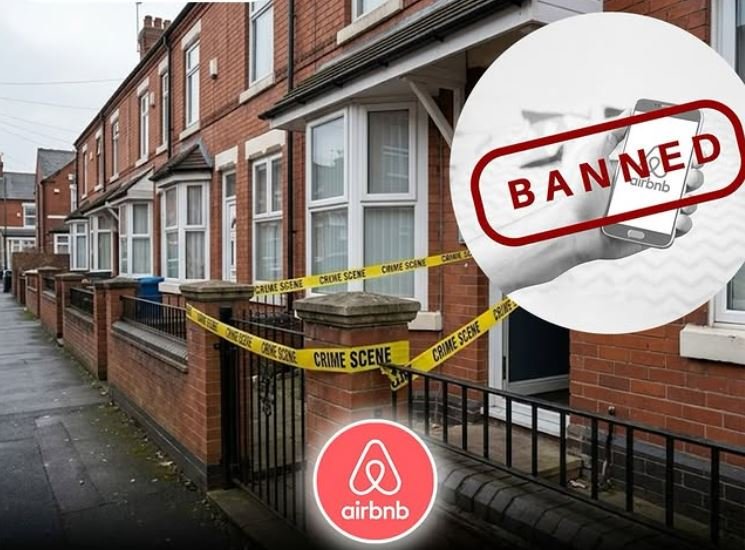
On April 11, 2026, Birmingham police responded to multiple 911 calls reporting gunfire in the 1400 block of East Lincoln Street. The incident occurred at a property listed on Airbnb, where a party had been advertised on social media.
-
The Scene: Neighbors reported hearing approximately 20 gunshots around 6:15 AM. Ring camera footage captured several individuals fleeing the residence in the aftermath.
-
The Aftermath: While no injuries were reported, bullets struck neighboring homes and vehicles. Three 18-year-old suspects were subsequently charged with assault with intent to murder and other firearm-related offenses.
-
Legislative Response: In a meeting on April 27, 2026, the Birmingham City Commission voted unanimously to approve a 180-day moratorium (six-month pause) on issuing new short-term rental licenses.
Why It Matters: Security vs. Convenience
This incident has become a flashpoint for the ongoing tension between the short-term rental economy and neighborhood stability.
-
Safety Concerns: The shooting highlights the risks associated with "party houses" in quiet, high-density residential zones. Residents have expressed alarm over the fact that a commercial-style event could lead to automatic weapon fire in a family-oriented area.
-
Policy Influence: This event demonstrates how a single violent incident can rapidly shift local government policy. The pause provides the city attorney and staff time to draft new, stricter enforcement language to better control the management of these properties.
-
Platform Pressure: The incident puts renewed pressure on platforms like Airbnb and Vrbo to improve guest screening and strictly enforce "no-party" policies. The property was removed from Airbnb shortly after the shooting but remained visible on other platforms initially.
The Strategic Shift for Hosts
For the professional hosting community, the Birmingham pause serves as a clear warning that self-regulation is becoming a necessity rather than a choice.
-
Accountability: City officials are now looking into ways to hold property owners more strictly accountable for the behavior of their guests.
-
Loss of Passive Income: The 180-day pause prevents any new market entrants in Birmingham, potentially leading to a more rigid licensing environment even after the moratorium is lifted.
-
Neighborhood Relations: As we’ve discussed at All Things BNB, maintaining a strong relationship with your neighbors is no longer just a "pro tip"—it is a defense mechanism against permanent listing bans.
The Bigger Picture
The situation in Birmingham is reflective of a national trend. Cities are increasingly moving away from the "light-touch" regulation of the early 2020s toward a model that prioritizes community safety and housing stability over travel flexibility.
Your Take:
Should city leaders be able to pause an entire industry based on the actions of a few individuals, or is a 180-day moratorium the only way to ensure resident safety?
Stay Informed on Rental Law
As regulations tighten across Michigan and the wider UK, staying informed is your best business strategy. For more deep dives into rental law and security tips, visit allthingsbnb.com.