
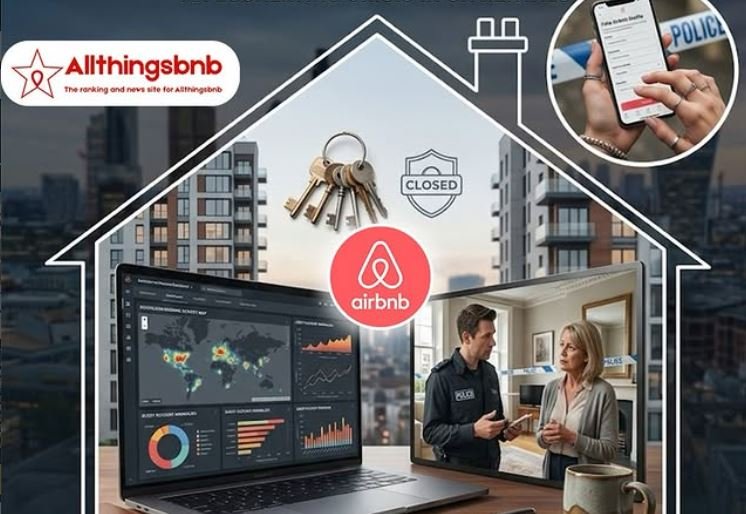
A troubling trend is emerging in the UK short-term rental market that goes far beyond the typical "bad guest" experience. Hosts across the country are raising alarms over the rise of "pop-up brothels"—properties booked under false pretenses by organized criminal groups for illegal activities.
At All Things BNB, we believe that awareness and proactive security are the best defenses for hosts. This shift highlights a critical gap in platform security and is fueling the call for professional-grade oversight.
What’s Happening: The Exploitation of Short-Term Rentals
Organized criminal groups are increasingly moving away from fixed locations and instead exploiting the anonymity and high turnover of short-term rentals.
-
The Tactic: Using stolen identities or "burner" accounts, groups book high-end or discreet properties for short stays (typically 2–4 days). This allows them to move frequently, staying one step ahead of both neighbors and local law enforcement.
-
The Fake Account Loophole: Despite platform efforts, enforcement remains a challenge. Criminals often create multiple accounts or use sophisticated fake IDs to bypass standard verification processes.
-
The Aftermath: Hosts are often left to deal with significant property damage, legal complications, and the trauma of their home being used for human trafficking or exploitation.
Why It Matters: A Risk Beyond "Party Houses"
This issue represents a systemic risk to the short-term rental industry, putting immense pressure on the trust-and-safety systems of platforms like Airbnb and Vrbo.
-
Safety and Liability: Beyond the physical damage, hosts face potential legal liability if their property is flagged as a site of criminal activity.
-
Neighborhood Relations: The presence of organized crime in residential areas severely damages the reputation of the STR community, giving local councils more ammunition to push for strict bans and "Article 4" directions.
-
The Verification Gap: The current reliance on digital ID checks is proving insufficient against professional criminal organizations, leading to calls for mandatory, government-linked identity verification.
How to Protect Your Property
In 2026, "passive" hosting is no longer enough. To protect your investment and your community, consider these professional security measures:
-
Minimise Instant Book: While convenient, Instant Book removes your ability to vet a guest. Consider requiring "Request to Book" so you can review profiles and past reviews.
-
Exterior Security Cameras: Visible, disclosed exterior cameras (such as Ring or Nest) are a major deterrent. Organised groups prefer properties where their movements aren't being recorded.
-
Noise and Occupancy Sensors: Devices like Minut or Roomonitor can alert you to unusual activity levels or an unexpected number of people entering the property without invading guest privacy.
-
Strict ID Verification: Do not rely solely on the platform. Many professional hosts now use third-party software to collect a copy of a government-issued ID and a "selfie" to match the guest to the booking.
📌 Bottom Line
The rise of pop-up brothels is pushing the short-term rental industry toward much tighter controls. The era of "light-touch" hosting is fading, replaced by a need for professional oversight and rigorous guest screening.
As these risks grow, the hosts who thrive will be those who treat their property as a secure business rather than just a spare room.
Stay Secure and Informed
Protecting your property is our priority. For the latest on UK rental security, insurance advice, and regulatory updates, visit allthingsbnb.com.